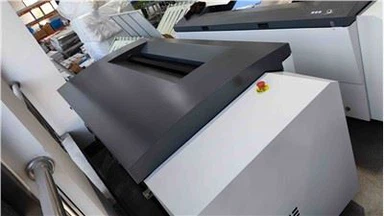
The difference of Hot Foil Stamping and Cold Foil Stamping
Jul 21, 2023
Hot foil stamping and cold foil stamping are two different methods of adding metallic and foil finishes to various surfaces such as paper, plastic, and fabric. While both techniques have the same end goal, there are significant differences between the two.
Hot foil stamping, also known as hot stamping or foil embossing, uses a heated metal die or plate and pressure to apply metallic or foil film to the substrate. The die is heated, and the foil film is placed on top of the substrate and the die then presses down, causing the foil to adhere to the substrate. The result is a shiny and luxurious finish that is resistant to scratching and fading. Hot foil stamping is commonly used for high-end packaging, book covers, and promotional materials.
On the other hand, cold foil stamping uses a pressurized adhesive to transfer the metallic foil onto the substrate without any heat involved. The foil film is printed onto a special carrier material with an adhesive layer and then applied to the substrate with pressure. Cold foil stamping offers more flexibility in design and color options, as it can be done on a wider range of substrates without the risk of warping, shrinkage, or discoloration in the final product. It is commonly used in commercial printing, product labels, and packaging.
In conclusion, both hot foil stamping and cold foil stamping are effective ways of adding metallic and foil finishes to various surfaces. Hot foil stamping provides a more luxurious and long-lasting result, while cold foil stamping offers greater flexibility for a wider range of substrates and design options. Choosing which technique to use depends on the specific needs of the project and the desired end result.