What is Offset Litho Printing Sample Proof
Jul 31, 2026
What is Offset Litho Printing Sample Proof
The commonly used types of proofs include layout proofs and color proofs.
Layout proofs are used to verify the accuracy of the page layout, ensuring that the content, dimensions, and positioning of text, graphics, and images are correct.
Color proofs are mainly used to confirm the color reproduction effect of the printed output and to evaluate the accuracy and consistency of color reproduction before production printing.
Mechanical Proofing
Mechanical proofing, also known as traditional proofing or press proofing, is a proofing method that uses a printing press or a dedicated proofing machine to produce proofs.
Mechanical proofing closely simulates the actual printing process. It uses the same substrates and printing inks as those used in production printing, with printing conditions maintained as similar as possible to the actual production environment. Therefore, the color reproduction and tonal characteristics shown on the proof sheets can be accurately reproduced during the final printing process.
Mechanical proofing requires dedicated plate making and printing operations, resulting in a complex workflow, longer production time, and higher costs.
Digital Proofing
Digital proofing, also known as computer-to-proof (CTP proofing) or digital proofing, is a method of producing color proofs by directly outputting digitally processed prepress data files to a digital printer.
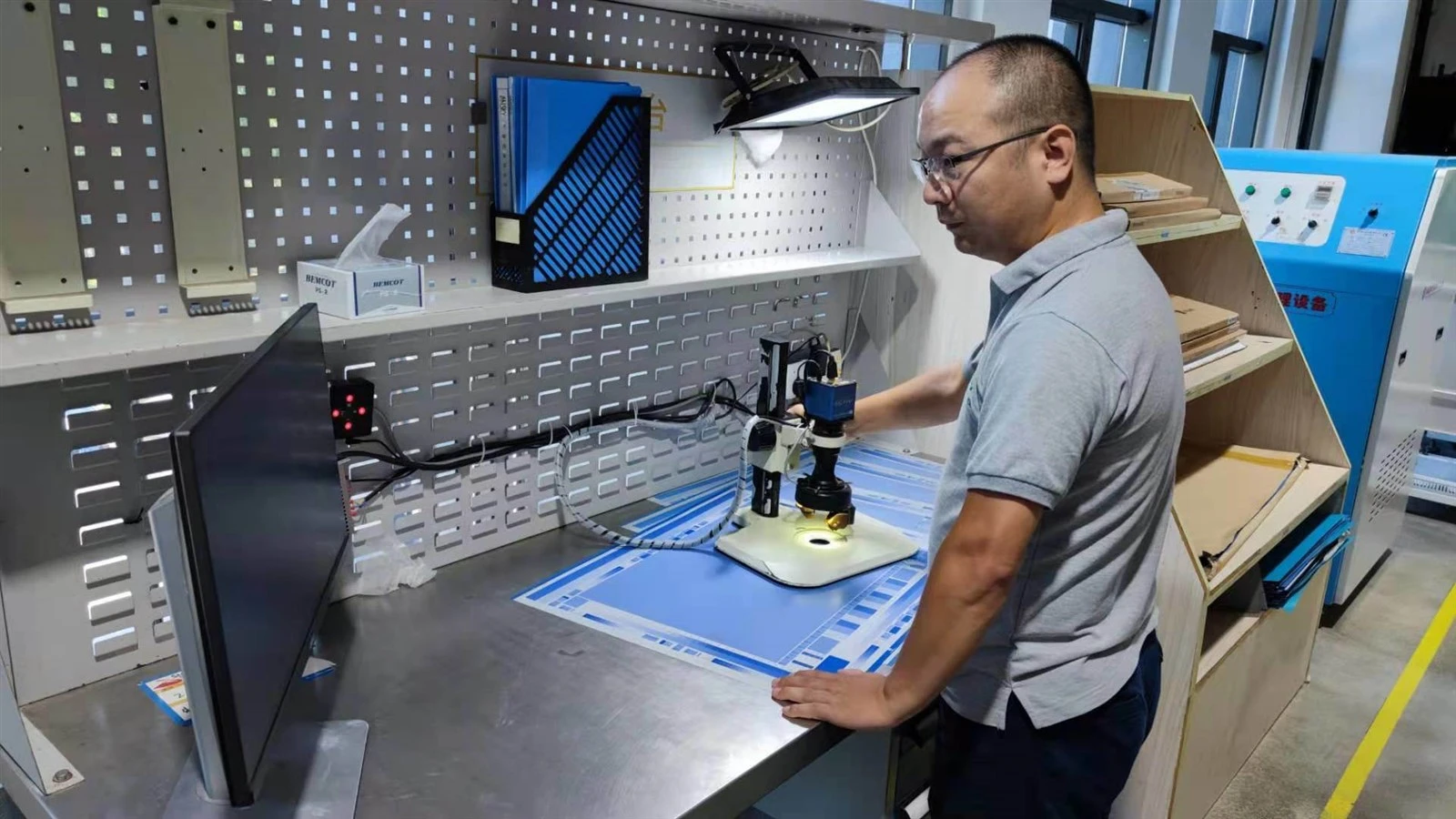
A complete digital proofing system consists of a color inkjet printer or color laser printer, computer workstation, and digital proofing control software.
The digital graphic and image data generated by the prepress system is first imported into the digital proofing workflow software. The software performs color management based on the ICC profiles of the printing press and the digital printer, carries out color conversion, and then sends the processed data to the printer for proof output.
Through ICC-based color management, digital proofing can simulate the color reproduction characteristics of the target printing process, providing an accurate reference for production printing and quality control.
Digital proofing is particularly suitable for printing processes such as gravure printing, flexographic printing, and computer-to-plate (CTP) workflows, where conventional proofing is difficult or impractical to perform. It provides an effective color reference and quality control method for these processes.