


How does digital label printing work?
Jul 13, 2024
Digital label printing is a printing method that produces high-quality label products by extracting designs from digital files using computer programs.
Digital label printing does not require extensive pre-press preparation or plate making. You can send the computer file of the label design you want to produce directly to the digital label printer, and it will be created instantly.
There are many types of digital label printing, each with its own unique uses. Here are some unique digital printing options.
Inkjet printing – This label printing method uses ink droplets dispersed through a series of nozzles to print text or images onto materials such as paper, plastic or fabric.
Laser printing – This is a method that uses static electricity to transfer toner to the label printing material.
Solid ink printing – The ink printing method is a digital printing technology that uses solid ink sticks or ink blocks instead of liquid ink cartridges.
In today's label production industry, digital label printing has proven to be invaluable in streamlining processes and reducing product production costs. Here are more benefits of using this printing method.
Faster production time – As mentioned above, digital label printing does not require printing plates before production. You can print immediately after creating the draft file. With little to no preparation required, you can get your labels out faster.
Higher Quality Output – Digital label printing uses a computer version of the draft, which means you can expect graphic fidelity and a better overall quality product than with traditional printing methods.
Personalization – With the variable data capabilities of digital label printing, you can create unique labels with text and images.
Version Control – If you offer multiple versions of a product, digital label printing can help you maintain your design while varying aspects such as color to differentiate between different products.

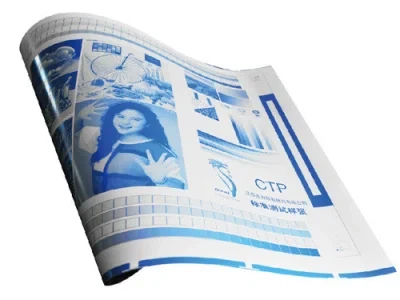


Digital label printing is not as extensive as traditional printing methods, but still follows specific instructions to ensure quality output. Here is a breakdown of the standard process for digital label printing.
1. Prepare Artwork and Design
The first step in creating a label design is to sketch the label using graphic design software. When preparing your labels, use high-quality images and graphics to ensure that the output is crisp and sharp. Additionally, you should consider the size and format based on the product and label you are going to use to provide the highest quality print. If you want to add an eye-catching visual enhancement to your digital labels, you can choose to incorporate metalized substrates, cold foil, or digitally applied embossing effects.
2. Prepress Process
In this step, you will prepare digital files of your label design and calibrate certain aspects, such as color separations and proofs. You can determine whether labels with laminate should be die-cut or laser-cut, depending on your or your customer's preferences.
3. Printing Process
Digital label printing is a great way to get labels quickly and efficiently. The label material goes into the printer and is then inked using digital printing technology. The printing achieves vivid and accurate color reproduction even on complex label designs.
4. Postpress Process
Once the labels are printed, it's time to make sure all product aspects are correct and to your customer's preferences.
5. Finishing and Packaging
Depending on the specific needs of your digital labels, the finishing or converting process may include multiple steps. For example, if you want to apply labels on a tapered surface, they will need to be pre-shaped or pre-rolled during the design stage to accommodate the curve.
Once you've determined how you want to apply your digital labels on your product, the next step is slitting and rewinding. This finishing process involves cutting the labels into individual units and winding them onto rolls. You inspect the items again for quality control, and then they're ready for packaging, shipping, or delivery.


