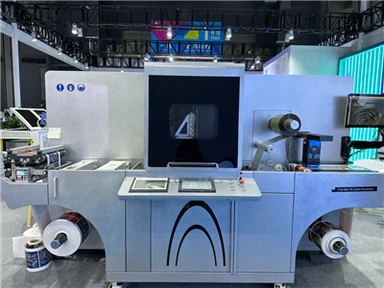
What Are Digital Label Printers?
Aug 14, 2024

Digital label printers include electrographic presses as well as single-pass and multi-pass inkjet printing devices that output digital files directly onto rolls of papers, films, foils, and other materials that can be converted into different types and sizes of labels. Multiple types and sizes of digital label printers exist because the $41 billion global label market is diverse and innovative.
The digital label printers required to make a few hundred name-badge labels for a social event are much different than those needed to produce large just-in-time batches of labels for mass-market food, beauty, or cleaning products. Some customers may need durable safety or product labels that can withstand submersion in water, adhesion to oily or powdery surfaces, or long-term exposure to harsh chemicals.
Digital label printers are popular for runs of up to 10,000 labels because digital printing eliminates the need to make separations, screens, or plates for each color that will be printed.
Digital printing is also used for fast-turnaround orders, label designs that include color photographs or fine gradients, and labels with variable data, such as QR codes, bar codes, serial numbers, batch numbers, lot number, and expiration dates.
Short runs of labels are produced for start-up firms, product test marketing, regional or seasonal versions of products, or global marketing in multiple languages. Plus, labels must be updated every time government agencies change regulations about warnings and product-content information that label must contain.
Different Types of Labels
Prime labels carry brand images, color graphics, and marketing messages for a product. and message.
Some prime labels are printed on clear films that make it look like the text and graphics have been printed directly on the bottle, can, or squeezable plastic tube that holds the product.
Safety labels are attached to the equipment or products to warn a user about risks associated with using the item.
Product Identification labels identify the manufacturer, part number, and a serial number of various products and components.
Multi-layer/expanded content labels can be peeled open to reveal additional content, such as drug usage information, coupons, or promotional contest game pieces.
In-mold labeling uses blow molding, injection molding, or thermoforming to apply labels to containers during the manufacturing process.
Wrap-around labels are one-piece bottle labels that include both the brand graphic and information such as bar codes and nutrition information.
Heat transfer labels are "tagless labels" on apparel products. Instead of sewing or weaving a label into the garment, a label printed into a heat-transfer film is pressed into the garment.
Resealable labels enable the package to be resealed after it's open. Snack foods, wipes, and lunchmeat include resealable labels.
Die-cut labels have unique shapes for branding or to conform to different shapes of containers.
Domed labels have a scratch-resistant plastic "domed" coating the brand identification label.
The construction of a label depends on how and where it will be used and how long the information on the label must be readable.
Industrial digital label presses can produce a wide range of products of white, clear, and laminated flexible films, including industrial product labels, food and beverage labels, and beauty products and pharmaceutical packaging. Some presses can print materials for flexible pouches and promotional window decals. (Video:Epson SurePress L-4533AW | Experience the Label & Packaging Digital Press)
Branding labels that must stand out on a store shelf may include eye-catching embellishments such as metallic foils, surface textures, and scents. A durable label may combine a protective laminating film over a screen printed ink on a waterproof substrate with a permanent, strong-bond adhesive.
Types of Digital Label Printers
Industrial label printers are designed to complement the flexographic, screen, or offset presses that label converting companies use to make many different types and sizes of labels needed by manufacturers of consumer products. Some industrial digital label printers are designed to work with the post-printing cutting and finishing equipment that label converters already own.